

Behavior is one of the first ways children express who they are, and much of it starts with what they learn at home.
Every child is a little explorer, discovering the world one moment at a time, and behind each reaction, habit, and emotion, parents are often the strongest guiding influence.
Whether through daily routines, conversations, or even unspoken actions, parents help shape how children understand themselves and interact with others.
Guiding children’s behavior

Bringing up children with discipline, strong moral values, and meaningful life lessons is a heartfelt wish shared by almost every parent.
We all hope to guide our children toward becoming thoughtful, capable, and responsible individuals who can navigate the world with confidence and kindness.
It’s completely natural and even admirable to have these hopes. Instilling values in children is not just a responsibility; it’s a deeply rewarding experience.
There’s a unique joy in watching kids absorb these lessons, make good choices, and grow into individuals who reflect the love, effort, and guidance we’ve poured into them.
5 parenting challenges in the digital age
For many parents, seeing their children develop the right attitude and strong values becomes one of life’s greatest satisfactions.
Stories teach, but our actions inspire
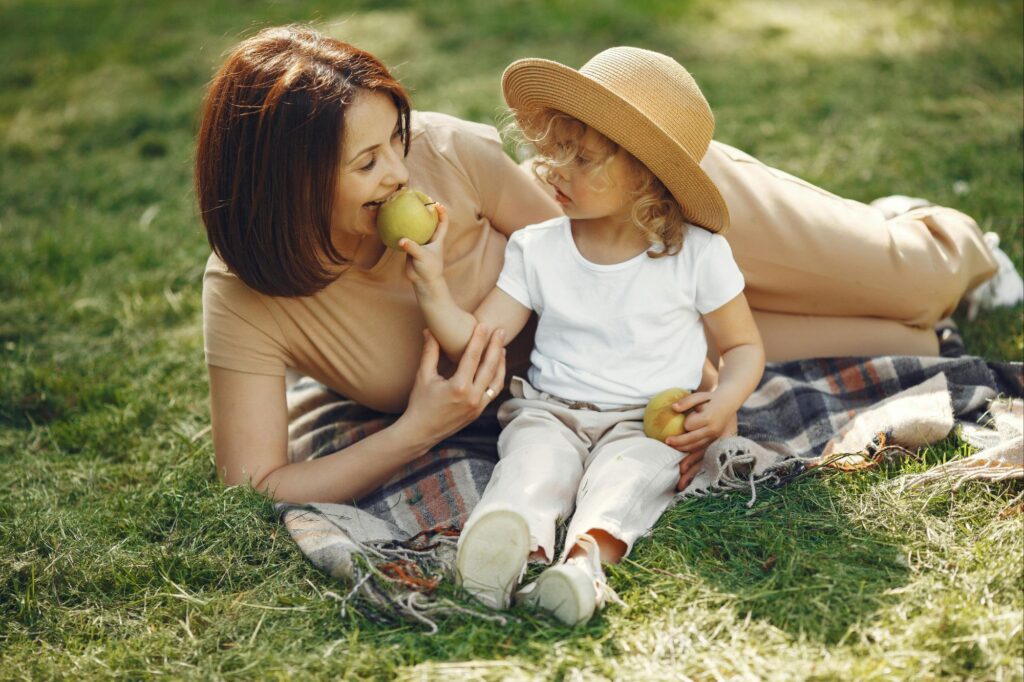
How do we truly cultivate values in children? Is it simply by telling them what is right and what is not?
Do we rely on stories, examples, and gentle reminders, hoping they will absorb every lesson and follow everything they hear?
While conversations and storytelling are powerful tools, teaching values goes far beyond words.
Children learn not only from what we say, but more importantly from what we do, how we behave, and the environment we create around them.
Values grow through consistent actions, daily habits, emotional support, and real-life experiences that help children understand why something matters not just that it does.
Yes! Children often imitate us more than we realize.
Just like a sponge absorbs water, little ones absorb our reactions, our tone, and even our smallest habits.
They watch how we handle challenges, how we speak to others, and how we express emotions and they quietly copy it all.
It is important for children to learn good behavior during their early years, because these formative experiences shape the kind of person they eventually grow into.
Strong foundations in childhood

Early childhood is when habits, attitudes, and values take root, and the guidance they receive during this stage lays the foundation for their future character and decision-making.
Learning good behavior early in life helps children distinguish right from wrong and prepares them to act responsibly as adults.
It also fosters the confidence and resilience children need to navigate life’s challenges, helping them make thoughtful, ethical decisions even in the most difficult situations.
Therefore, it is crucial that we reflect on our own actions and the messages they silently convey to children, who notice and absorb everything we do.
As the saying goes, “Actions speak louder than words,” and it is through our behavior that children learn some of life’s most important lessons.
Positive approach
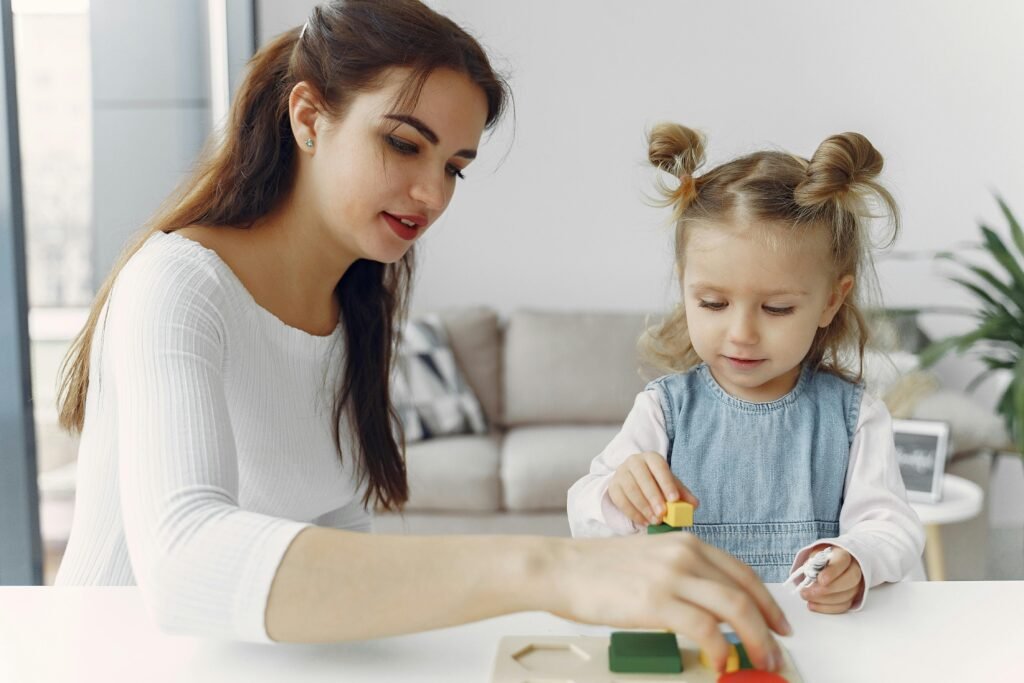
What we hope to cultivate in our children should first be reflected in our own actions, allowing them to connect our teachings with real-life examples.
A parent’s attitude and approach have a profound impact on a child’s upbringing, shaping not only their behavior but also their values, mindset, and outlook on life.
Let us focus on fostering a positive lifestyle and a kind, understanding approach when interacting with children, so we guide them without unintentionally influencing them negatively.
While it is important to have clear expectations, it is equally crucial to help children understand these expectations through motivation, respect, and encouragement, creating an environment where they feel supported and inspired to grow.




Nice 👌
Thank you Kaisar!
Totally agreed!
Thank you!
Pingback: Teach children the Bible – Some View on the World