
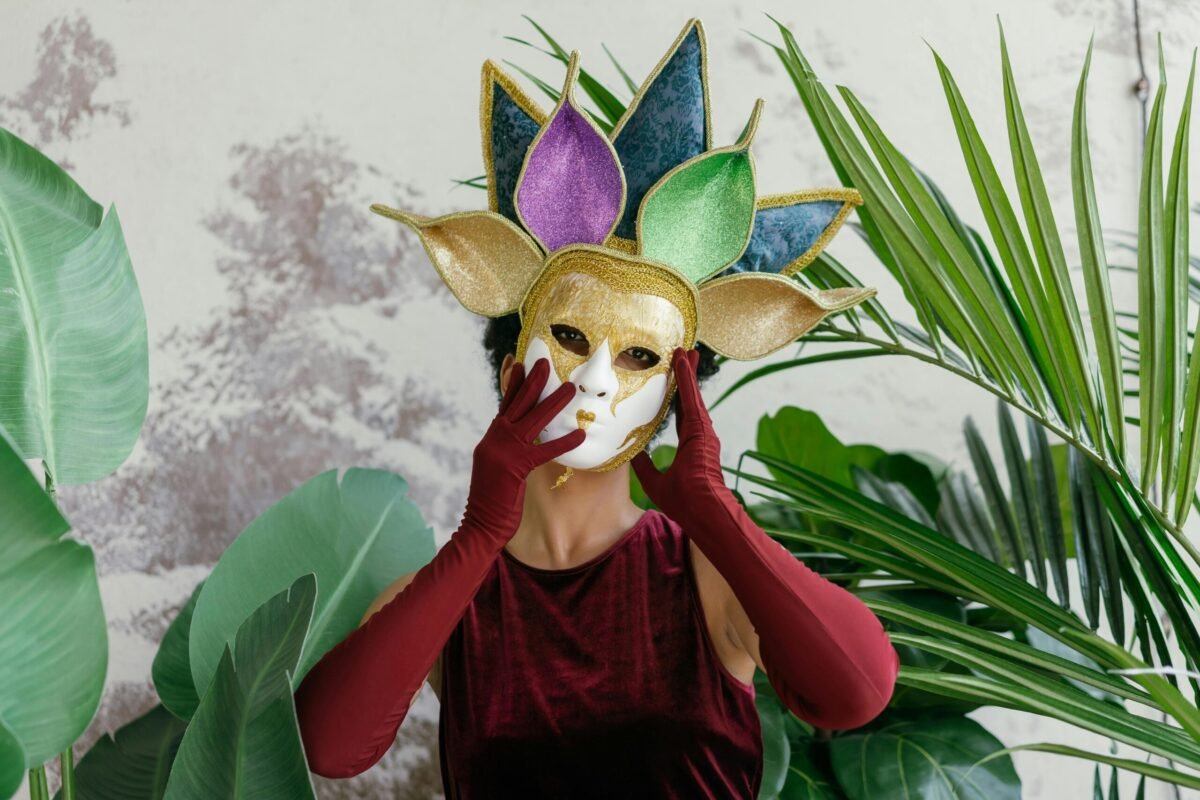
It’s not uncommon in a fast-paced world to find people hiding their true selves and shying away from being real.
People hide their true nature behind social masks, often out of fear of judgment or the pressure to fit into societal expectations.
Though not often, at times, you must have met people who make you feel good with their kindness and charm. Later, you may realize that these gestures were temporary or not genuine.
Read more: Navigating the world of fake people
They may not treat people with the same kindness consistently and instead create a false impression of themselves.
It may not even be surprising if they do not remember you the next time you meet, or simply pretend that they have forgotten you.
Putting on a mask is easy

Have you met people with fake personalities?
Is it difficult to be ‘you’ in the world around you, or is it more comfortable to hide your true self behind a mask and pretend to be someone you are not?
At times, being authentic can feel challenging, especially when there is fear of judgment, rejection, or not fitting in.
The pressure to meet expectations, whether from society, peers, or even oneself, can make it seem easier to blend in rather than stand out.
However, hiding behind a mask often brings only temporary comfort.
Over time, it can feel exhausting to maintain a version of yourself that isn’t real, and it may create a sense of disconnect within.
On the other hand, choosing to be genuine, even with imperfections, allows for deeper connections and a stronger sense of self.
While it may take courage, embracing who you truly are ultimately leads to a more fulfilling and honest way of living.
Being real doesn’t cost you

It is crucial to be careful what you choose to show people, for you tend to become what you pretend to be in the long run, and it could be too late when you realize how far you’ve come with the mask on.
When you choose authenticity, you stop managing impressions and show your true self, without putting on a mask.
You stop calculating every word, adjusting your personality to fit the room, or shrinking yourself to avoid discomfort.
You say what you mean. You mean what you say.
You show up as a consistent version of yourself, whether it’s convenient or not.
Being real can make others uncomfortable, especially those who are used to versions of you that were easier to control, easier to predict, or easier to fit into their expectations.
When you stop playing along, it disrupts the dynamic. Sometimes, that means people pull away.
Read more: Do not fight the wrong battles
In the end, being real doesn’t cost you your worth, your value, or your opportunities.
It simply removes what was never truly meant for you.
The fear behind the mask

When you fake it, you start building a version of yourself that people respond to, but that version isn’t real.
It gets the attention, the validation, maybe even the opportunities.
But deep down, there’s a quiet tension: what happens if they see the truth?
That tension is exhausting.
The fear of rejection is one of the most powerful forces shaping human behavior.
It’s quiet, often invisible, but deeply influential.
For many people, it becomes the reason they hide parts of who they are, softening their edges, filtering their thoughts, or reshaping their identity to fit what feels acceptable.
Hiding your real self will never help you grow into a better version of yourself.
Growth requires exposure. It requires stepping into discomfort, trying things that might not work, and showing parts of yourself that aren’t polished or perfected.
It means risking rejection in exchange for something more meaningful: authenticity, clarity, and self-respect.
You may still face rejection at times.
That’s unavoidable. But it won’t define you. Instead, it will refine you.
It will teach you what aligns, what doesn’t, and where you truly belong.
The fear doesn’t completely vanish, but it loses its control.
You realize that being accepted for who you are is far more valuable than being liked for who you’re not.
That realization makes it easier to show up, more honestly, more openly, and more confidently.
Building trust

Building trust starts with being real.
When you show up as you are, without exaggeration, without pretending, you give people something solid to connect with.
There’s no confusion, no second-guessing. Just clarity. And clarity is where trust begins.
When you believe that certain values are essential for building trust in relationships, do not fake them, practice those values in daily life, and make them a part of your life.
This will make it possible for you to have confidence in yourself and be real, but not be inclined toward negativity.
Confidence rooted in truth doesn’t need to put anything or anyone down.
It doesn’t rely on comparison, ego, or superiority. Instead, it comes from a quiet sense of self-acceptance.
You know where you stand, and you’re okay with being a work in progress.
When you accept your own imperfections, you naturally become more understanding of others.
You communicate more honestly and less defensively. You listen better. You respond with empathy instead of judgment.
In doing so, you create space for more genuine, more meaningful connections.
In the end, living a better life isn’t about eliminating your flaws.
It’s about understanding them, working on them, and not letting them control your sense of worth.
When you deceive people with your mask, it harms your life too. It becomes difficult for you to express yourself and be ‘you’.
The real you remains hidden, and eventually it could lead to unhappiness and guilt.
In the end, the more you hide behind a mask, the harder it becomes to recognize your own reflection.
The moment you choose to let it go, that’s the moment you start becoming yourself again.
How can we create genuine, lasting relationships by embracing our true selves instead of presenting a false image?