
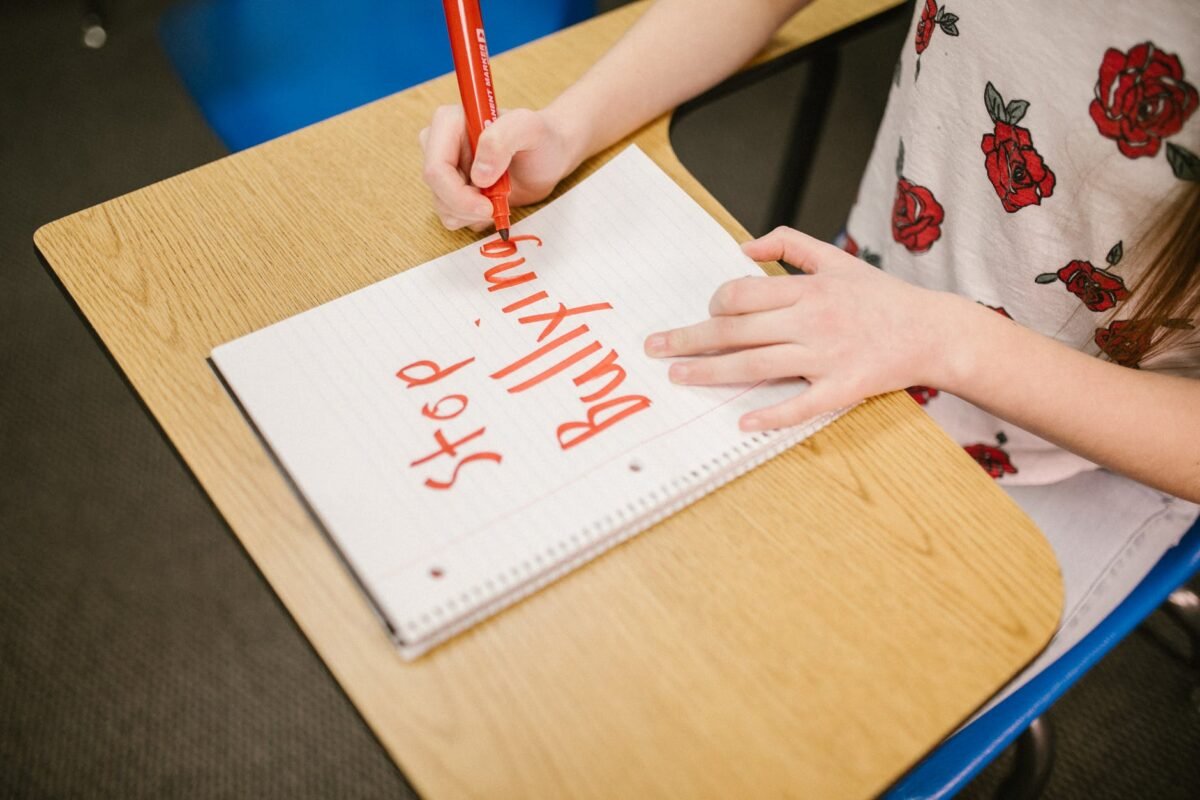
Bullying is one of the biggest challenges many children face today. It can happen anywhere, in the park, on the playground, at school, or even online.
When someone intentionally hurts another person physically, verbally, or emotionally, it’s considered bullying.
Bullying doesn’t just affect a child’s day; it can have lasting effects on their confidence, mental health, and overall well-being.
Understanding what bullying is and knowing how to respond can make a huge difference in creating a safer and kinder environment for everyone.
Bullying doesn’t always look the same. It can be physical, verbal, social, or even digital (cyberbullying).
It can take many different forms. Sometimes, it’s easy to spot, like when someone is being physically hurt. Other times, it can be more subtle but just as harmful.
Here are some common examples:
- Excluding someone on purpose from a group or activity.
- Threatening to hurt someone or damage their belongings.
- Spreading rumors or lies to ruin someone’s reputation.
- Embarrassing someone in public or making fun of them in front of others.
- Telling friends not to talk to or include a particular person.
- Being rude or mean repeatedly, whether in person or online.
- Physical actions like hitting, pushing, pinching, or tripping.
- Name-calling or taunting to make someone feel bad about themselves.
The impact

Bullying goes far beyond simple teasing or joking around.
It makes the victim feel uncomfortable, anxious, and often scared. Unlike friendly teasing which stops when someone feels hurt, bullying continues even when it’s clear that the other person is upset.
Not all kids are bullies, but some may try to dominate or control others, blame people for things they didn’t do, or seek constant power and attention. These children may also lack empathy, the ability to understand or care about how others feel.
There’s usually a reason behind bullying behavior. While it doesn’t excuse their actions, understanding why some kids behave this way can help adults address the root of the problem. Some possible reasons include:
- Learning this behavior at home – Children often imitate what they see. If they grow up around aggression or disrespect, they may start to think that such behavior is normal.
- Observing similar behavior in adults – Kids notice how adults talk and act. When they see grown-ups teasing, gossiping, or putting others down, they might copy that behavior.
- Having been bullied themselves – Some children who have been victims of bullying may lash out at others as a way to regain control or protect themselves.
- Feeling jealous or insecure – Jealousy or low self-esteem can lead some kids to put others down to feel better about themselves.
- Trying to fit in or please friends – Peer pressure can be powerful. Some children bully others to impress their friends or to stay accepted in a certain group.
Equip your child against bullying

It’s important that we equip our children to deal with bullying.
Bullying can leave deep and long-lasting effects on a child’s confidence, mental health, and sense of safety, and no child ever deserves to be bullied.
Every child has the right to feel safe, respected, and valued wherever they are, at school, at home, or online.
8 ways to build your child’s self-esteem
As parents, teachers, and caregivers, we can play a big role in helping them handle difficult situations.
Here are a few ways to empower and protect your child against bullying:
Help your child understand what bullying is
Talk openly about the signs of bullying , such as name-calling, exclusion, or threats. This helps your child recognize such behavior, whether it’s happening to them or to someone else.
Encourage open communication
Ask your child about their school day, friendships, or online experiences. Listen patiently and without judgment. When children feel heard and supported, they are more likely to share their problems before they get worse.
Empower your child with reassurance and support
Let your child know that you are always there for them, and that it’s okay to talk about difficult feelings or negative experiences.
Knowing they have a trusted adult to turn to can make a big difference.
Lead by example
Children learn from what they see. If we constantly complain about being helpless or victimized, kids may adopt the same attitude toward their challenges.
Show them how to face problems calmly and confidently. This teaches resilience and self-respect.
Teach online safety
Talk about how to stay safe on the internet, such as not sharing personal information, being careful about what they post, and telling a trusted adult if they experience cyberbullying.
The Power of Staying Connected with Your Child

Bullying can have a lasting impact on a child’s health, happiness, and emotional well-being.
That’s why it’s so important to teach our kids that certain behaviors, like hurting, excluding, or teasing others are never acceptable.
Instead of waiting for our children to come to us after something bad happens, we should make an effort to stay connected with them regularly.
4 tips to strengthen parent-child bond
Take a few moments to ask how things are going, what’s happening at school, or if there’s anything they’d like to share.
These small, caring conversations can help children feel safe, supported, and confident enough to talk about their experiences before problems grow bigger.
By building trust and keeping communication open, we can help our kids grow into kind, strong, and empathetic individuals who stand up for themselves and others.
What strategies do you think work best to tackle bullying among children?




I face this issue when i was in school but i was too scared to discuss this with my parents. Thanks for the information.
Thank you Kaisar for sharing your experience. Yes, kids dont easily open up about such experiences sometimes. It’s important to reassure them that it’s ok to express their negative experiences and feelings.
Yes Rancy we all have gone through bullying in some stage of our life. With experience and confidence we can tackle this issue to some extent. Confiding with friends and family can be helpful too.
I agree with your comment. It’s important not to ignore the matter, but inform a trusted adult.