

It’s not new for parents to see the different moods in children, which are mostly unpredictable!
One moment they’re frowning at the world, the next they’re squealing with joy because you handed them their favorite toy. And just as quickly, that same happy child can spiral into tears because a parent didn’t pause to hear their story.
Childhood is a roller coaster of emotions, fast, intense, and often unpredictable.
Emotional development in childhood.
We tend to shrug and say, “It’s just a phase. They’ll grow out of it.” But these tiny mood swings are actually how children learn, communicate, and make sense of their world. It’s messy, it’s noisy, and yes, it’s completely normal.
Did you know? We parents, have a role to play in helping the little ones in their difficulty to manage situations or emotions that influence their moods.
Tiny moods, big feelings

Being a mother has taught me more than I ever expected. As I watch my child grow, I’m constantly amazed by the little things, how her moods shift, how she describes her tiny adventures, her imagination, and the way she talks about her friends.
All of it reminds me that every child is wonderfully unique.
You simply can’t and shouldn’t compare one child to another. Each little one has their own rhythm, their own voice, and their own way of showing emotions.
When we pause, value their feelings, and let them express themselves freely, we begin to truly understand their world. And in that process, we grow right alongside them.
Well-being starts at home
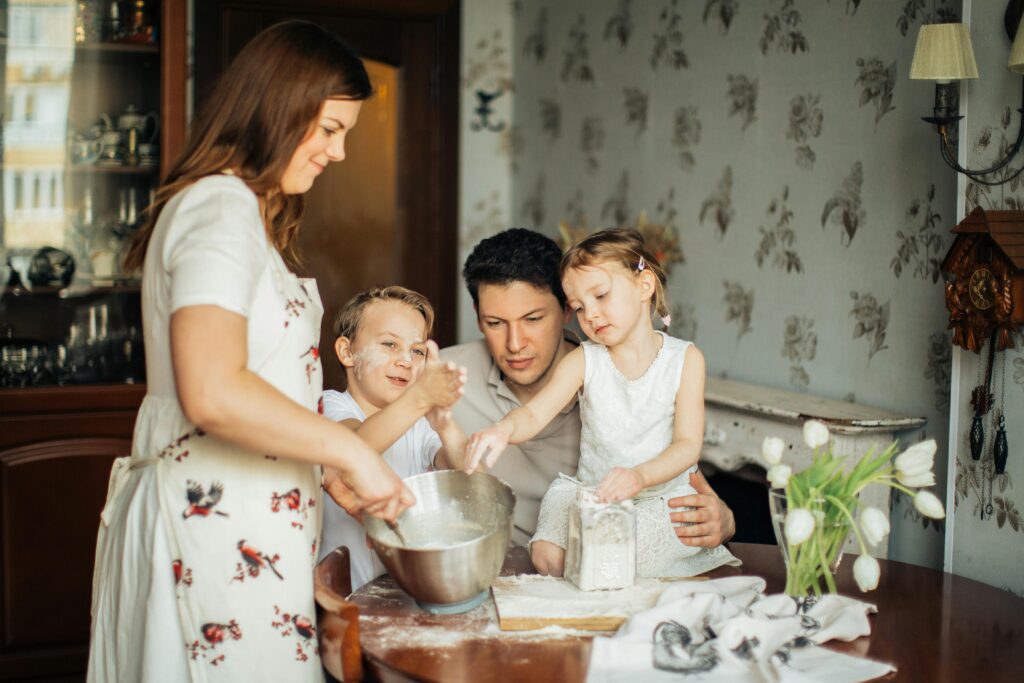
As we work on improving our own health and well-being, finding balance in all the areas that shape our lives, it’s just as important to remember our children’s well-being, too.
Their emotional and physical health depends deeply on the time and attention we give them. In the rush of endless tasks and busy schedules, it’s easy to get caught up, but we can’t let the to-do lists take the place of meaningful moments with our kids.
They need our presence just as much as we need our balance.
Getting attention from parents brings immense joy in a child’s little world, and you can’t replace this happiness with anything else.
4 tips to strengthen parent-child bonding
Responding to my child in different ways to help her with her changing mood has helped me understand the emotions behind her behavior. Here are a few of my personal experiences:
- When my child asks, “What are you doing?” it’s rarely about the question. Most of the time, it’s her gentle way of saying she wants to talk or simply be close to me.
- When she gets irritated, I’ve learned it isn’t always misbehavior; sometimes she’s upset but doesn’t yet have the words to explain. Staying calm and giving her space to settle makes all the difference.
- When she interrupts me even though she knows I’m busy, it’s usually a sign that she needs my attention or has something important to express in her own little way.
- When she keeps saying she’s bored, ignores her toys, or loses interest in her favorite show, that’s my cue that she needs fresh air and a change of scenery, usually some outdoor time.
- And when her energy dips or she struggles to focus, I know it’s not disinterest or stubbornness. It’s simply her body telling her it’s time to rest.
Motherhood teaches you to read the unspoken, and every day, I’m still learning.
I hope this is useful in strengthening your efforts to understand your child’s mood. Do share your ways of handling similar situations in the comments, which could help us learn from each other.
Discover more from Natural goodness
Subscribe to get the latest posts sent to your email.

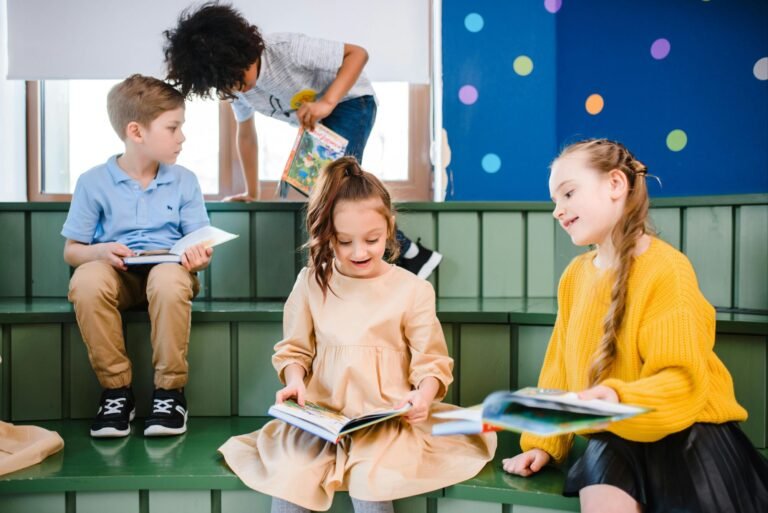


Much needed post for me now!! Thanks for penning it down!
I’m glad to know you liked it.
You’re welcome!
I liked the bit where you mentioned the immense joy they feel at our presence. Thank you. Wonderful article 👌
Thank you Parvati!
I’m glad to know you liked it.
Rancy you are talking about small kids! My younger daughter is 20 but still so fussy eater!
Thank you for your comment.
It must be challenging for you as a mother, but I am sure you are able to manage.
Yes dear!
My daughter is usually a calm kid, but when she gets extra cranky, I know something is up, and that is when I know I have to pay extra attention to her needs. Thanks for sharing this post!
Thank you Vizanne, for sharing your parenting experience.
Identifying the reason for their changed mood helps us in responding to their emotions.