
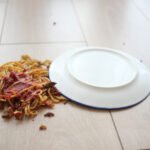



The 5-Second Rule: Myth vs. Reality

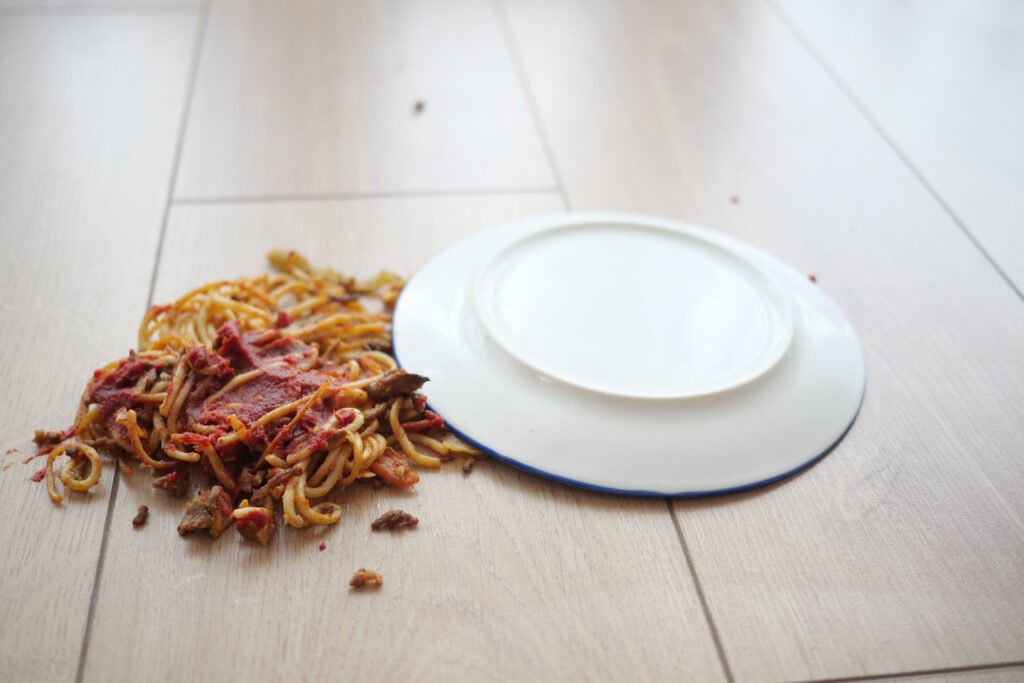
food spilled on the floor-5 second rule

The moment food accidentally hits the floor, ‘the 5-second rule‘ is what we often hear said aloud.

Do you resonate with this experience?

People often use the “5-second rule” to claim that dropped food is still safe to eat as long as you grab it within 5-seconds of dropping it.

The fact: it is nothing more than a myth.

As a food safety expert, it’s honestly terrifying to see how much some people trust the “five-second rule.”

This myth puts people, especially children or those with weaker immune systems at real risk because germs don’t wait for a countdown to hitch a ride on your food.

Debunking the 5-second rule

spilled gumballs on floor

If you’ve trusted the 5-second rule, it’s time to retire this rule as there is no safe countdown for food on floor.

Whether your food is on the floor for five seconds or just three, it’s already been contaminated.

Harmful microbes like Salmonella or E. coli attach themselves to your snack the instant it hits the ground.

There’s no magic timer to stop them, the only way to be certain you’re safe is to throw it away.

Consuming food that’s unsafe can put you in danger and compromise your health.

It’s not the amount of time spent on the floor that decides the safety of food.

Rather, the cleanliness of the floor and the type of food is what matters when you decide whether to discard or consume the food.

There is no scientific evidence to prove the 5-second rule for food fallen on floor.

It is safer to discard when in doubt and not eat contaminated food that could make you sick.

Read more: What happens when you eat food fallen on the floor?

Clean looking floors could have germs

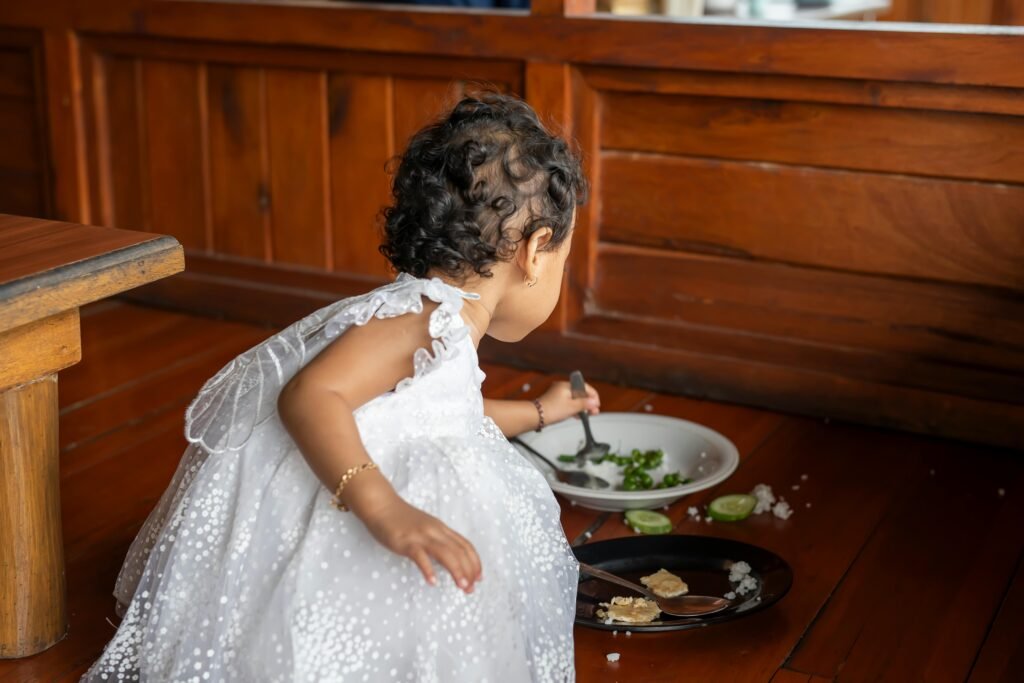
kid eating food sitting on the floor

A shiny floor doesn’t always mean a safe one.

Floors may look clean at a glance, but beneath the surface, they often serve as hidden hubs for microorganisms. 

Every day splashes, crumbs, pet traffic, and dirty shoes can leave behind microorganisms that stick around for days, even after quick mopping or wiping.

When food, utensils, or kids’ snacks fall to the ground, and especially when they’re picked up and eaten, these hidden germs can hitch a ride straight to the plate despite the 5-second rule.

That’s why treating the floor as a potential source of contamination, not a “safe enough” surface, is an important part of everyday food safety at home.

That dropped cracker or carrot stick?

It’s not just picking up dust, it’s grabbing a free ride for those germs straight to little tummies.

Instead of brushing it off as “still okay,” get kids used to this simple rule:
If it falls on the floor, it’s not for the mouth anymore.

Reference: Importance of a clean home for kids

Don't risk it, toss it!

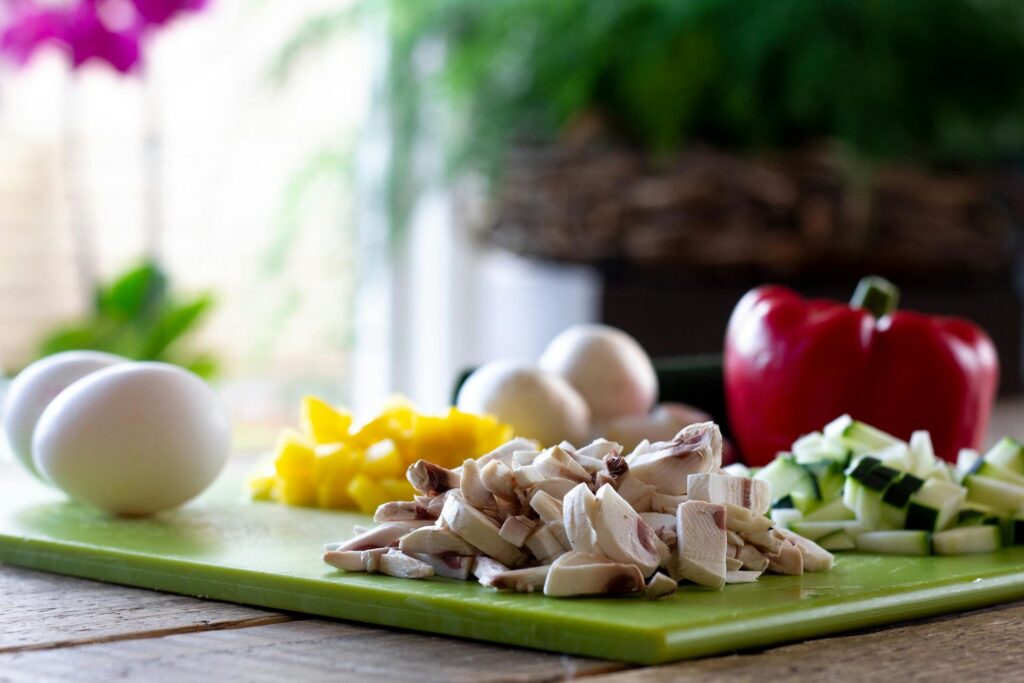
cutting veggies

Here are some common risks of eating food straight off the floor.

It’s a risky move that invites instant bacterial trouble, and that 5-second rule is nothing but a myth.

We’ve all been there, slicing a fresh cucumber for a salad, and one piece slips off the knife, landing on the floor.

Should you rinse it quickly and pop it into the bowl, or just toss it?

The safest choice is simple: throw it out.

Even a quick rinse may not remove bacteria or contaminants picked up from the floor.

Food safety experts recommend not taking the risk, your health is more important than salvaging a single piece.

It’s a small piece, but the risk isn’t worth it.

Think of it as giving yourself peace of mind, as your salad and your health are better off without the soiled slice.

It’s a small step that keeps your meals safe and your kitchen stress-free.

Read more: All you must know about foodborne-illness-Mayo Clinic

Remember, when it comes to food on the floor, “5-second rule” myths don’t cut it, safety first!

The Common Risks

Sick kid

Germs can survive on floors for surprisingly long periods, and the scary part is, you can’t see them.

Even a quick drop can be enough for food to pick up harmful bacteria, especially if the conditions are right.

Foods with moist or sticky surfaces, like cucumber slices, tomato wedges, grapes, or cheese cubes, are particularly prone to picking up contaminants.

That’s because moisture helps germs stick and multiply.

When it comes to food that accidentally falls on the floor or isn’t handled safely, here are the most common risks:

  • Dropped food can spread germs to utensils, cutting boards, or other foods if you put it back in the bowl.
  • Some floors may have cleaning agents, pesticides, or residues that are unsafe to ingest.
  • Damp floors can harbor mold spores that cling to wet foods.
  • Contaminated food can lead to stomach infections or flu-like symptoms.

What does research say?

research lab

Science show that bacteria can transfer to food almost instantly after it hits the floor,  sometimes in less than a second, depending on the type of surface, food moisture, and contact time.

Research based evidence: Science Direct

In controlled experiments with different foods and flooring materials, researchers found that moisture plays a big role.

Wetter foods pick up more bacteria, and longer contact generally increases contamination.

Rutgers researchers have disproven the widely accepted notion that it’s OK to scoop up food and eat it within a ‘safe’ 5-second rule.

Even if the risk of illness from a single bite is low in many everyday home environments, contamination is possible.

There’s no scientific “safe window” that guarantees food will stay germ‑free just because you pick it up quickly.

When food hits the floor, the question isn’t how fast you pick it up. It’s, do you really want to gamble with germs?

  • ac471ab97928af3ae33fd529c866902bc95480dbdbea9ad450e6492c94a61f44?s=60&d=mm&r=g Natural goodness
    Akshata

    Such an informative post! 🙌 Food safety is so important, and you’ve explained the 5-second myth so clearly.

Leave a Reply

Your email address will not be published. Required fields are marked *