

In today’s fitness-driven world, protein supplements are everywhere, but not all proteins are created equal.
From flashy commercial powders to trendy shakes, it’s easy to assume that more marketing means better results. The truth is, blindly choosing protein supplements can do more harm than good.
Understanding how to select healthy, natural protein sources and spotting the red flags in commercial products can help you fuel your body safely and effectively.
In this guide, we’ll break down the best protein options, reveal what to look for on labels, and show you how to make informed choices for long-term health and fitness.
The Role Of Protein

Proteins are an essential part of a healthy diet. Without proteins, our body cannot function properly and we could encounter several health problems.
Protein plays a crucial role in the body as a building block for muscles, tissues, enzymes, and hormones.
It helps repair and maintain muscles after exercise, supports immune function, and is essential for healthy skin, hair, and nails.
It also provides energy when needed and helps regulate metabolism by supporting hormone and enzyme activity.
Proteins are essential for maintaining every cell in the body and play vital roles in numerous processes, including blood clotting, immune defense, biochemical reactions, and more.
What is Healthy Protein?
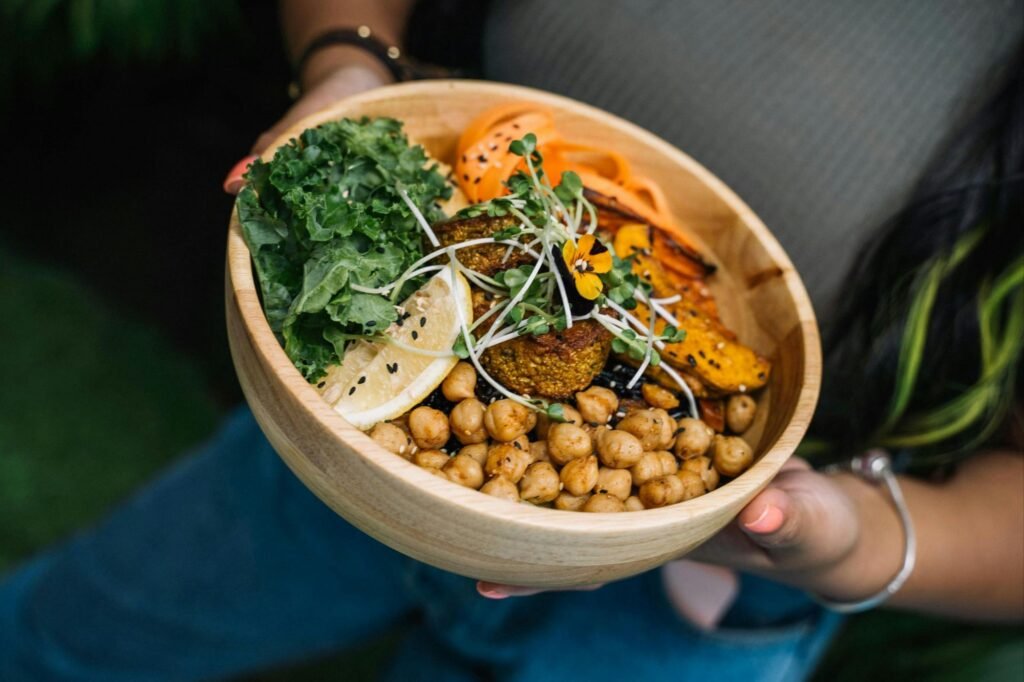
To make proteins a part of your diet, you must know their natural and healthy sources. As there are several protein-rich foods and products available commercially, they can do more harm than good if you choose the wrong ones.
Many such foods/products come along with unhealthy fats, harmful food additives, and large amounts of salt and sugar.
Healthy protein refers to protein sources that provide essential amino acids your body needs without excess unhealthy fats, added sugars, or heavily processed ingredients.
These proteins support muscle growth, tissue repair, immune function, and overall health.
Key characteristics of healthy protein:
- High-quality protein: Contains all essential amino acids (e.g., eggs, fish, dairy, soy).
- Low in saturated and trans fats: Lean meats, fish, and plant-based proteins are better than fatty cuts or processed meats.
- Nutrient-rich: Many healthy proteins also provide vitamins, minerals, and fiber (e.g., legumes, nuts, seeds).
- Minimally processed: Foods close to their natural state are best, avoiding protein bars or meats loaded with additives.
In short, healthy protein fuels your body efficiently, supports long-term wellness, and can be part of a balanced diet from both animal and plant sources.
Read more: How to create a balanced food plate?
Top Healthy Protein Choices for a Strong, Energized Body
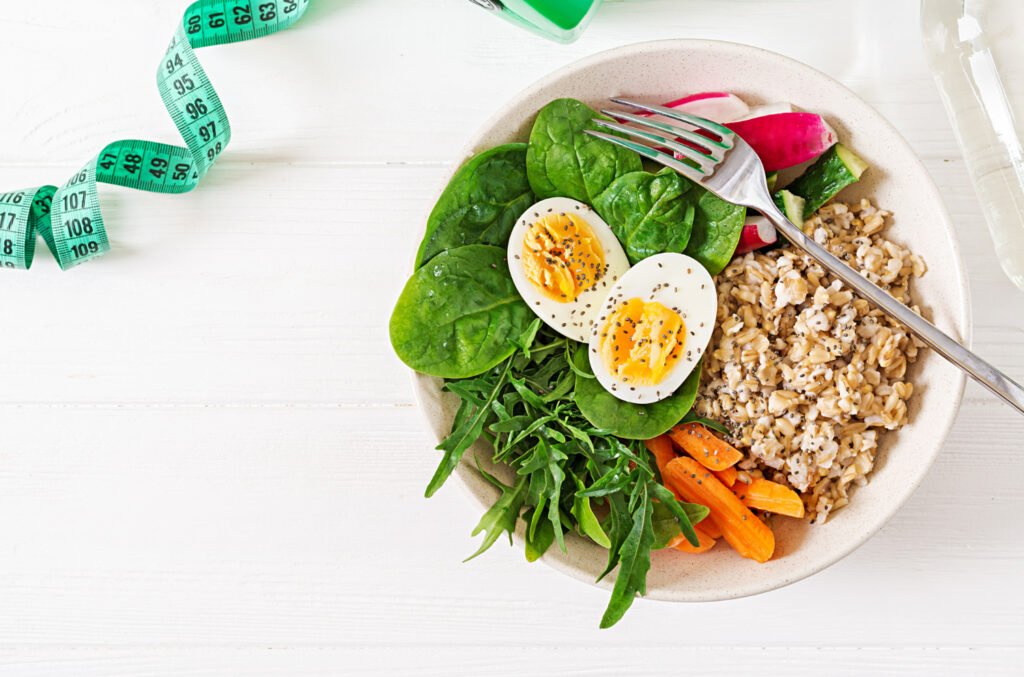
- Lean Meats: Chicken, turkey, and lean cuts of beef provide high-quality protein with less saturated fat.
- Fish & Seafood: Salmon, tuna, sardines, and mackerel are packed with protein and heart-healthy omega-3s.
- Eggs: A versatile protein source that’s rich in essential nutrients and easy to cook.
- Dairy: Greek yogurt, cottage cheese, and milk deliver protein plus calcium for strong bones.
- Legumes: Beans, lentils, and chickpeas are plant-based proteins full of fiber and minerals.
- Soy Products: Tofu and tempeh provide complete protein for plant-based diets.
- Nuts & Seeds: Almonds, walnuts, chia seeds, and pumpkin seeds add protein, healthy fats, and crunch.
Reference: https://www.health.harvard.edu/nutrition/high-protein-foods-the-best-protein-sources-to-include-in-a-healthy-diet
Mixing these options throughout your meals ensures a balanced intake of protein and nutrients, keeps your diet exciting, and supports overall health.
Choose wisely
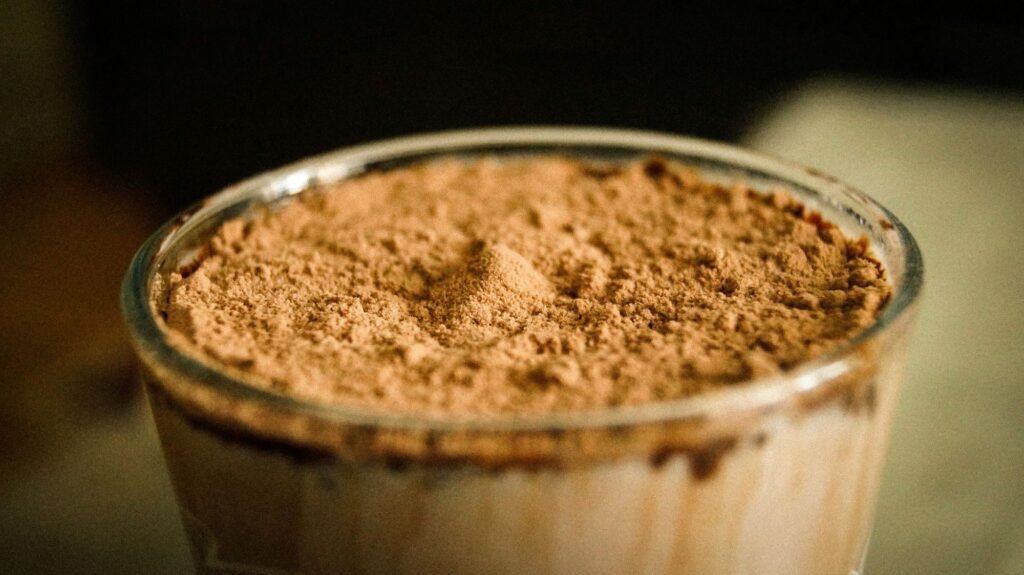
Not all protein powders and supplements are created equal.
Many commercial protein products contain added sugars, artificial flavors, fillers, or unhealthy fats that can undermine your health goals.
When selecting a healthy protein supplement, look for options with minimal ingredients, high-quality protein sources, and transparent labeling.
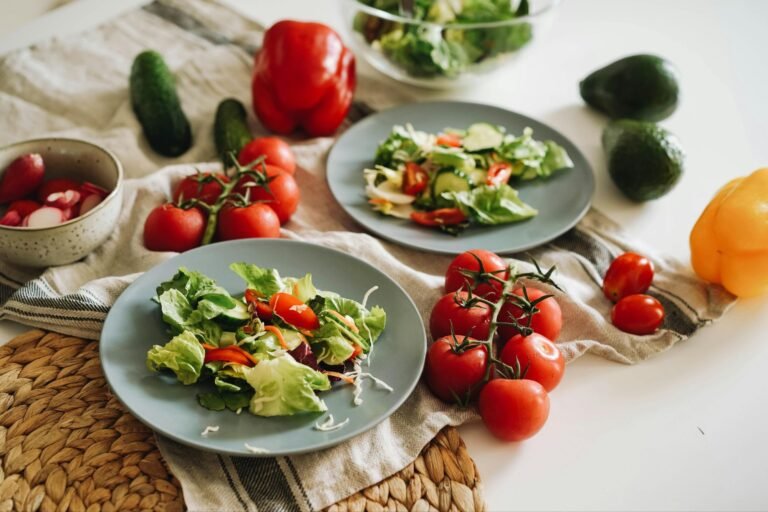
Prioritize natural, clean protein from foods like eggs, dairy, lean meats, legumes, and nuts whenever possible, using supplements only as a convenient addition.
Making informed choices ensures you fuel your body effectively without unnecessary additives.
Which protein sources do you rely on most to stay healthy?



Learned so much from this. Didn’t know how much protein can help our body be healthy. Going to keep this in mind.
Thank you!
Proteins are an essential part of a healthy diet.
Thanks for sharing, I’m trying hard to eat more healthy.
Thank you!
Choosing healthy sources of protein keeps us from the harmful effects of artificial additives.
My youngest daughter is still a little picky with her diet, so I try to feed her nuts and seafood so she would get her daily intake of protein. Thankfully she is still willing to eat these things. Thanks for sharing this!
Thank you!
Introducing healthy protein in childhood is a great way to help children choose healthy food.
Video is very nice.
Thank you🙂