

We’ve been taught to fear cholesterol, labeling it as harmful and constantly finding ways to cut it from our diets.
But is it really all bad, or is there more to the story than just “good” and “bad” fats?
We’ve long been told that it causes disease and threatens heart health, which is why it’s often seen as dangerous. Sounds familiar, right?
Not all of it is “good,” and having too much can definitely be risky for our health.
But could we survive without cholesterol entirely? The answer is no!
This essential molecule plays a vital role in maintaining the smooth functioning of our bodies.
In this post, we’ll explore the different types, the foods that affect its levels, and simple ways to keep them in check so you can understand this often-misunderstood substance without the confusion.
The role of Cholesterol
- It plays several vital roles in our body:
- It is a key part of the cell membrane, the protective layer around every living cell, helping it stay flexible while maintaining its shape.
- It contributes to the production of important hormones, including adrenal and gonadal hormones.
- It’s essential for forming the myelin sheath, which insulates nerve cells and ensures proper nerve function.
- It supports the production of Vitamin D and bile acids, which help digest fats.
- It also aids the immune system in fighting infections.
Types
Cholesterol in the blood cannot circulate freely and is carried by certain types of proteins called ‘lipoproteins’. The main types are:
Low-Density Lipoprotein (LDL )– They deliver cholesterol to the cells where it is needed. But high levels of LDL cause blockages in arteries and are therefore called ‘Bad Cholesterol’.
High-Density Lipoprotein (HDL)-They carry less cholesterol and move it away from the cells, back to the liver, where it is broken down. HDL is known as ‘good cholesterol.
Sources
Most of the cholesterol in our body, about 80% is produced by the liver, while the remaining 20% comes from the food we eat.
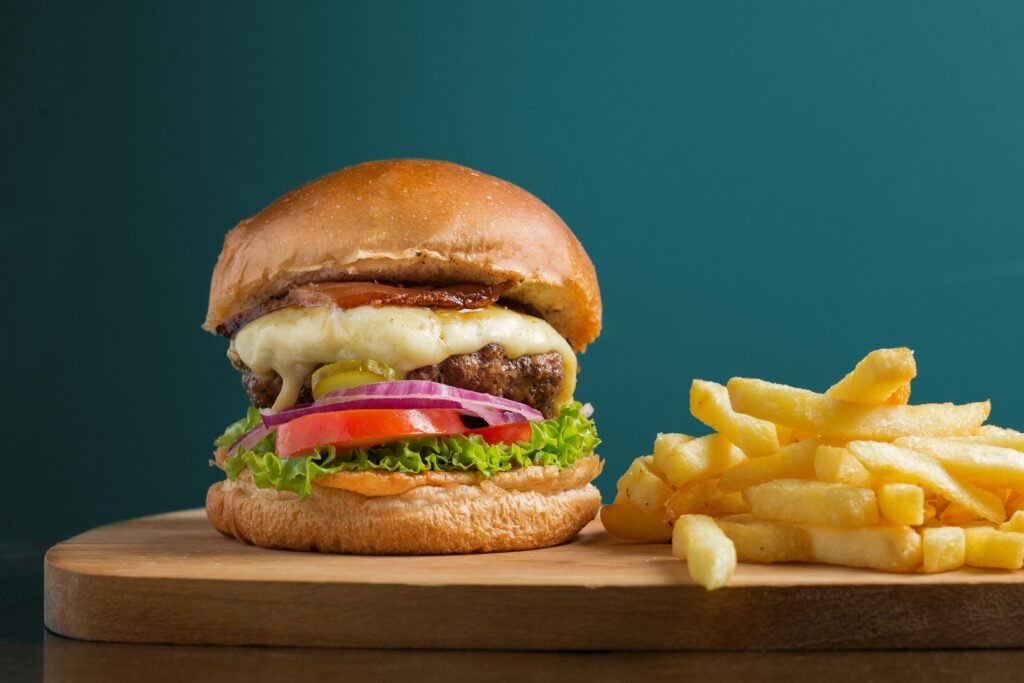
Certain foods can raise “bad” cholesterol levels, including red meat, full-fat dairy, processed meats, fried foods, baked goods, eggs, and shellfish.
Foods that are high in trans and saturated fats are the biggest contributors to raising “bad” cholesterol levels.
These include things like fried snacks, baked treats, fatty cuts of meat, and certain packaged foods.
Paying attention to food labels, checking for hidden trans fats and saturated fats, can make a big difference in keeping your cholesterol in check and making healthier choices without feeling deprived.
Managing the levels

Eating a balanced diet is one of the best ways to give your body the nutrients it needs and keep your health on track.
Focus on including healthy fats, like those found in nuts, seeds, and olives, which support heart health without raising bad cholesterol.
When cooking, choose oils such as sesame, peanut, or soybean oil instead of ones high in unhealthy fats.
Regular exercise is another key factor it not only helps control cholesterol levels but also keeps your heart, muscles, and mood in great shape.
Avoid trans fats and partially hydrogenated oils, which can raise harmful cholesterol and increase the risk of heart disease.
Maintaining a healthy weight goes hand in hand with all of these habits and makes it easier for your body to function optimally.
Finally, if you have high cholesterol or are at risk, consult your doctor for guidance and monitoring.
Small, consistent lifestyle changes can make a big difference over time, keeping your heart and body healthier for the long run.
Our lifestyle influences our health. Let us not ignore the importance of lifestyle changes for better health.
Balance is key

Cholesterol doesn’t have to be a mystery or a villain.
By making mindful food choices, staying active, and keeping track of your health, you can strike the right balance for a strong heart and a healthy body.
Health is all about balance. By choosing nutritious foods, incorporating good fats, staying active, and maintaining a healthy weight, you can support your heart, brain, and overall well-being.
Small, consistent lifestyle changes like swapping unhealthy oils for healthier ones, enjoying more nuts and seeds, or taking a daily walk, can make a big difference over time.
Understanding how your body works and taking simple steps to care for it is the key to living a stronger, healthier, and more energetic life.




Informative post 👍🏻
Thank you!
Thanks for giving details about cholesterol! Very informative.
It’s good to know you like the post. Thank you!
Thanks for sharing this information post !!
You’re welcome!