






5 Hidden Dangers In Kids' Snacks

Kids' snacks popcorn

In the modern grocery store, the variety of packaged kids’ snacks is nothing short of overwhelming.

From neon-colored fruit gummies to “school-safe” granola bars, the options are endless, designed specifically to catch a child’s eye and fit a parent’s busy schedule.

Most of us don’t think twice as we fill our shopping trolleys with these vibrant boxes; after all, they promise convenience and, often, “added vitamins.

However, this golden age of convenience comes with a hidden cost.

These kids’ snacks are engineered to be irresistible and stay fresh on the shelf for months.

However, they are often loaded with synthetic additives, hidden sugars, and chemicals.

These ingredients were never meant for a child’s developing body.

We’ve reached a point where the marketing on the front of the box rarely matches the reality of the ingredients on the back.

It’s time to look past the bright characters and the “all-natural” stickers to see what these processed foods are truly doing to our children’s health.
Trans-fats in Kids' Snacks

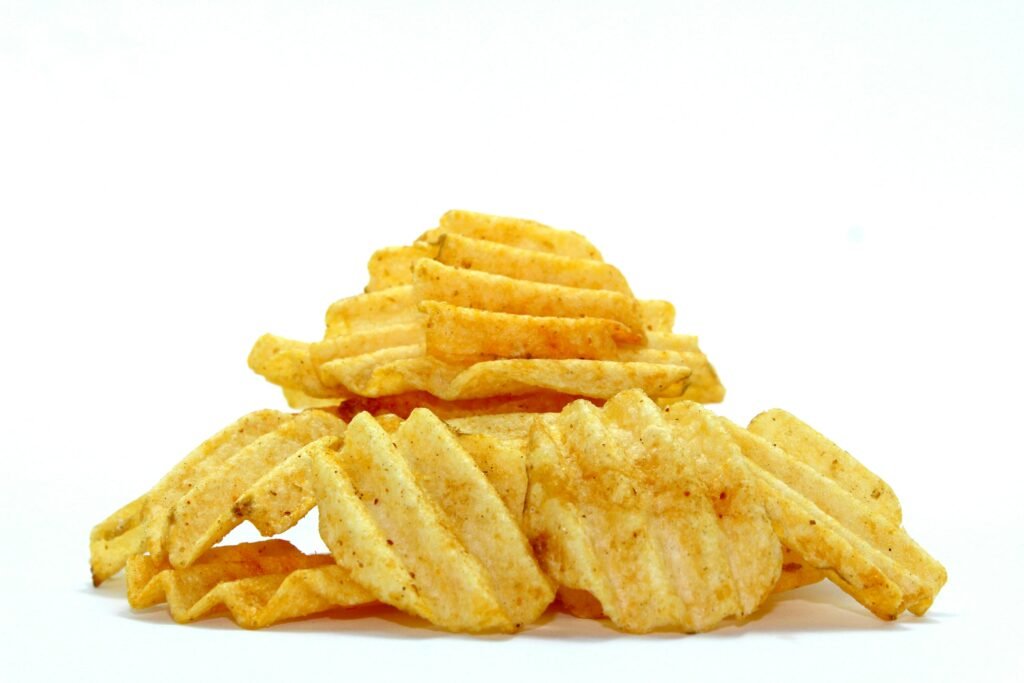
Potato Chips

Trans fats are a specific type of unsaturated fat.

While tiny amounts are found naturally in some foods, the dangerous version artificial trans fats is man-made.

These fats are created through an industrial process that adds hydrogen to liquid vegetable oil to turn it into a solid.

You will often see them listed on labels as “partially hydrogenated oils.”

They are cheap to produce and last a long time.

They are a primary ingredient in many processed foods, fried items, and common kids’ snacks such as snack puddings and, French fries.

Read more: Impact of Trans-fats on health and Tips to avoid them

However, eating these regularly can be very harmful to heart health, may cause stroke and Type-2 diabetes.

There are many alternative food choices that help in avoiding trans-fats in foods.

Cracking the Flavor Code

pexels n voitkevich 5078584 Natural goodness

Ever wonder why kids gravitate toward certain snacks like magnets?

Don’t let those “all-natural” labels fool you!

Many favorite kids’ snacks are cleverly disguised.

They might brag about added protein or vitamins, but they’re often packed with artificial ingredients designed to be crave-worthy.

This “crave factor” is why kids fall in love with the taste and never seem to forget it.

It’s a smart marketing trick, but knowing what’s really inside your kids’ snack is the first step to picking better fuel for our little ones.

It’s no accident that kids can’t get enough of these snacks.

Many packaged treats use a precise “chemical cocktail” of artificial flavors, texturing agents, and vibrant colors designed to hit the brain’s reward center.

These ingredients don’t just add taste; they create a hyper-palatable experience that makes real fruit or veggies seem boring by comparison.

The real question is do these kids’ snacks actually fuel our kids or fool them?

Checking the label is the ultimate way to find the truth.

Terms like “artificial flavors” are often a “black box” for hundreds of secret chemicals that create those addictive tastes.

Reference: Common food additives and chemicals harmful to children-Harvard Health

The Trap of Refined Carbs

dessert

Highly processed food contain refined carbs in big amounts and not healthy carbs.

Ever wonder why kids get a huge burst of energy with packaged foods and then a total meltdown shortly after?

That’s the rollercoaster effect of refined carbs in kids’ snacks.

These processed ingredients cause a quick sugar spike followed by a sudden crash, which leaves kids feeling tired, cranky, and constantly craving for more snacks.

Constant consumption of refined carbs present in sugary cereals, candies, donuts, and waffles to name a few, can increase the risk of Type-2 diabetes.

Read more: Are your kids eating the right cabs?

But there’s a better way! Healthy carbs (like whole grains, fruits, and veggies) are the real heroes.

They provide steady energy to play and learn, dietary fiber keeping them full for longer and real nutrients, helping them grow.

The Salt Trap: Excessive Sodium

trans fats

those pre-packaged snack packs are a total lifesaver on busy Tuesdays. 

But have you ever checked the salt content?

Some kid-friendly packs have more sodium than a grown-up needs in a sitting!

Many items on our favorite kids’ snacks list are secretly “salt traps.”

They are designed to taste so delicious that kids don’t even notice the sodium overdose; they just keep munching!

The problem is that once the snack is gone, that hidden salt kicks in, leaving them incredibly thirsty and reaching for sugary drinks to quench the fire.

By swapping these for lower-sodium options and serving water alongside their favorite kids’ snack, you can break the cycle of salt cravings and sugar crashes for good.

The Sticky Trap

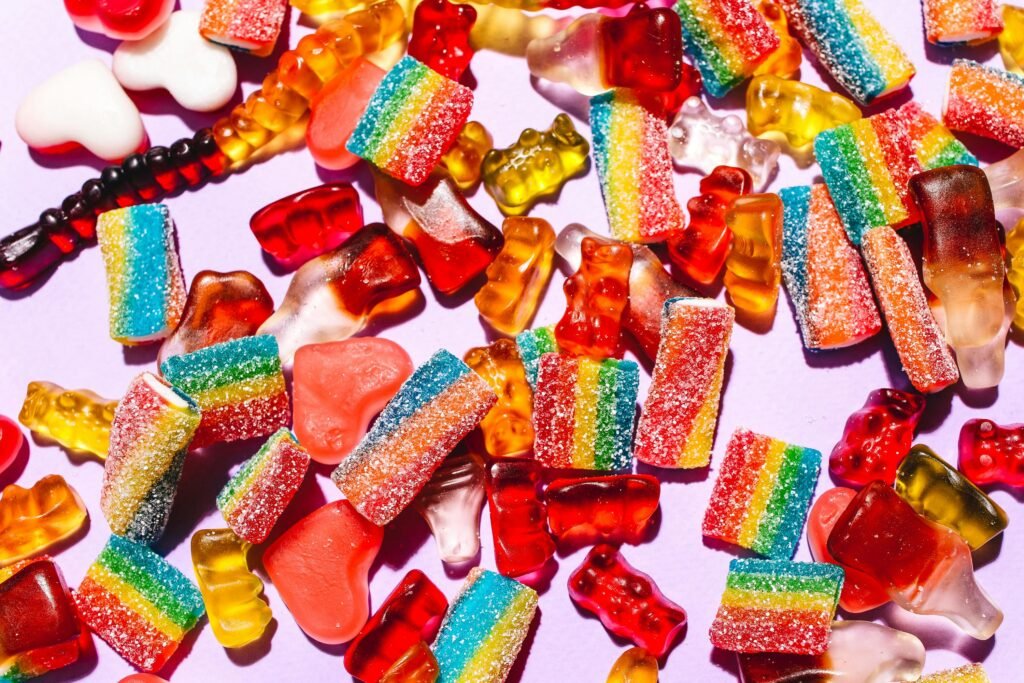
Gummies


Those tasty gummies and candies are often the ultimate cavity trap on the kids’ snacks list.

Because they are so chewy and delicious, kids enjoy them for minutes, but the sugar clings to their teeth for hours.

This creates a sticky trap where sugar sits in the grooves of the enamel, fueling bacteria and leading to dental trouble.

Offer fresh fruit or cheese and save colorful candies for special occasions.

This can help you protect their teeth and prevent cavities.

Read more: Protect your kids’ teeth and prevent cavities

Do you check kids’ snack packet labels while grocery shopping?

Leave a Reply

Your email address will not be published. Required fields are marked *